
Bodywork protection film, often referred to by the acronym PPF, is an innovative solution which plays an essential role in preserving the aesthetic appearance of vehicles. This transparent and flexible material is designed to resist external aggressions such as grooves, THE gravel and the bad weather. Thanks to its advanced technology, it adapts perfectly to the contours of the bodywork, thus offering almost invisible protection while maintaining the original shine of the paint.
Beyond its protective function, the protective film also allows aesthetic customization. Available in different finishes, ranging from bright At mast, it allows vehicle owners to modify the appearance of their car according to their tastes. Additionally, the benefits of a PPF include sustainability increased, simplified maintenance, and a potentially higher resale value due to the impeccable condition of the bodywork.
What is a body protection film?
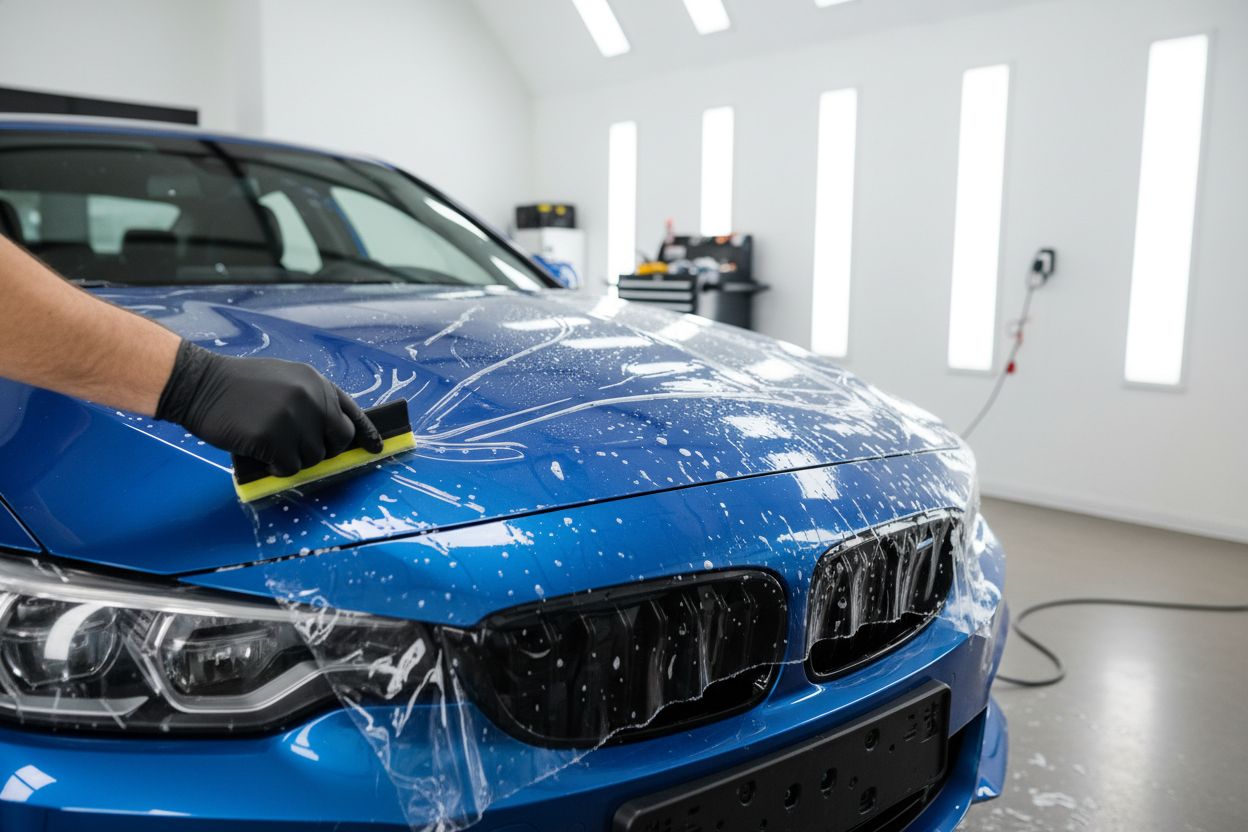
THE body protection film is a membrane transparent And flexible which is applied to the paint of a vehicle to preserve the integrity in the face of external aggression. Its main function is to absorb impacts caused by gravel, scratches or even bad weather. In addition to protecting, it helps maintain the shine of the original paint, offering an almost aesthetic solution invisible. Protective films often feature advanced technologies, such as properties self-healing, which allow micro-marks to fade under the effect of heat.
In fact, these films adapt easily to the shapes and curves of vehicles, thus guaranteeing a smooth and homogeneous finish. For protect the bodywork with a protective film, it is essential to choose the right product according to the use and environment of the vehicle. The most commonly protected areas include the hood, fenders, front bumper and door handles, which are most at risk of impact.
Types of films available on the market
There are several types of protective films on the market, each with their own characteristics and benefits. The films colorless are the most popular because they preserve the original color of the vehicle while providing effective protection. Other options include colored films, which allow you to personalize the appearance of the vehicle while protecting it. Some films are also available with finishes shiny Or matte, providing a variety of aesthetic choices for vehicle owners.
Technological innovations have also enabled the development of films ultra-resistant, capable of resisting UV rays and chemicals, increasing their durability and effectiveness. Additionally, protective films can be applied to various surfaces such as headlights, mirrors and even interior surfaces, which significantly expands their scope of application.
The functions of a body protection film
Protection against external attacks
THE body protection film plays an essential role in preventing damage caused by external aggression such as stone chips, scratches and bad weather. By absorbing impacts, it limits the formation of unsightly marks on the paint of your vehicle. Thanks to its multi-layer structure, this film is able to resist UV rays and varied climatic conditions, guaranteeing lasting protection. By applying this film to strategic areas such as front bumper or the hood, you considerably increase the longevity of the paint, thus reducing the costs of repair future.
Preserving the aesthetics of the vehicle
Beyond protection, the protective film contributes to the preservation of aesthetics of your car. Its ability to stay almost invisible helps maintain the original shine of the paint while providing a neat appearance. Available in different finishes, such as bright or the mast, it allows you to personalize the visual rendering according to your preferences. By avoiding the accumulation of dirt and by making cleaning easier, this film helps maintain the appearance of the vehicle. A well-maintained vehicle with protective film inspires confidence and can even increase its resale value in the automotive market.
How to choose your protective film?
To choose the right protective film, it is essential to consider several selection criteria which depend on theuse intended for your vehicle. First, assess your driving environment. If you often travel roads harsh environmental conditions, a robust protective film will be necessary to counteract the impacts gravel and debris. Likewise, for vehicles exposed to bad weather, opt for a film that offers increased resistance to UV rays and severe climatic conditions. Remember to consider aesthetics, as some films offer finishes glossy or matte which can enhance the appearance of your car.
Selection criteria based on use
Another aspect to consider is the area to be protected. THE sensitive areas, such as the hood, mirrors and door handles, must be covered by specific films. For intensive use in an urban environment, the film must be chosen for its sustainability and its ability to resist grooves. On the other hand, for collector cars, priority must be given to the quality of the film in order to preserve integrity original paint. Finally, consider your budget, as there are options to suit different spending levels.
Importance of quality and application
The quality of the film is a determining factor in guaranteeing effective protection. High quality films often include advanced technologies, such as self-healing, allowing micro-scratches to disappear under the effect of heat. Furthermore, a correct application is essential to avoid air bubbles and ensure maximum longevity. Poorly applied installation can compromise the effectiveness of the film, making its choice useless. For this, it is advisable to call on professionals or follow detailed guides if you opt for installation yourself. Be sure to properly prepare the surface before applying the film to ensure optimal adhesion.
Areas to protect on your vehicle
When it comes to protecting your vehicle, it is essential to target the areas most exposed to damage. These areas, often neglected, are critical points where bodywork protection film can make a big difference. THE front bumper, THE hood, and the front wings are particularly vulnerable to stone chips, scratches and the effects of bad weather. By adding a layer of protective film to these areas, you can not only preserve the aesthetics of your vehicle, but also reduce refinishing costs in the long run. Other critical areas include door handles and the door thresholds, often marked by daily wear and tear.
Areas most exposed to damage
The areas most exposed to damage represent frequent points of contact with external objects. For example, the windshield is subject to chips and cracks caused by debris thrown onto the road. Likewise, the rear view mirrors and the door jambs can be hit during parking maneuvers. By applying a protective film to these surfaces, you minimize the risk of visible damage and maintain the resale value of your vehicle. It is recommended to analyze driving habits and the environment to determine priority areas to protect.
Partial vs. Full Protection Strategies
Choosing between partial or full protection depends on your specific needs and the use of your vehicle. A partial protection focuses on the critical areas mentioned above, helping to limit costs while providing effective defense against damage. This can be a wise option for vehicles less exposed to extreme conditions. On the other hand, a full protection covers the entire bodywork, guaranteeing maximum safety and uniform aesthetics. Although this option is more expensive, it represents a long-term investment for those who wish to keep their vehicle in impeccable condition, particularly in risky environments.